

Advocacy Week 2026 will take place virtually throughout
the week of March 23rd to March 27th, 2026.
Theme: Moving ME/CFS from “optional knowledge” to “standardized knowledge” in clinical care.
The ME/CFS community has been pushing for better and more widespread knowledge among medical providers for decades. The introduction of ME/CFS knowledge into medical education and national medical exams has been a longtime focus for ME/CFS advocacy groups. Over the past few months, Solve M.E. & #MEAction have been partnering in strategic work to initiate conversations with partner organizations, clinicians, and advocates across the ME/CFS, Long COVID, and infection-associated chronic conditions (IACC) community, asking a central question:
How can we close the knowledge gap in ME/CFS and Long COVID care?
The Ask: We are reaching out to Patient Safety Agencies, State Medical Boards, and Chief Medical Officers (or equivalent) across all 50 states. We are asking community members to document ME/CFS mismanagement as a systemic patient safety concern, and asking everyone to sign on to letters to State Medical Boards and Chief Medical Officers (or equivalent) requesting their support for including ME/CFS questions in national medical licensing exams.
The Theory of Change: By reaching out to patient safety/regulatory agencies, State Medical Boards, and Chief Medical Officers (or equivalent) by state — and framing ME/CFS education gaps as a patient safety and standard-of-care issue — we will move IACCs such as ME/CFS and Long COVID from “optional knowledge” to “standardized knowledge” in clinical care. If ME/CFS is on the national licensing exam, medical schools have to teach it.
 This year’s Advocacy Week is 100% virtual! You can participate from home, making it easier than ever to advocate for change.
OUR FOCUS
We will be reaching out to three different groups to further this agenda:
1) Patient Safety / Regulatory Agencies
These offices track patterns of harm and quality gaps in clinical care. By documenting ME/CFS-related harm as a patient safety issue, we will help provide the evidence necessary to ensure that State Medical Boards and National Exam boards make the right decision about ME/CFS inclusion. Our work frames ME/CFS education gaps as a patient safety issue that needs urgent action.
We will write to these agencies in each state and ask them to sign a letter of support encouraging State Medical Boards to work with us.
2) State Medical Boards
State Medical Boards oversee physician licensure and professional standards, helping define what constitutes safe practice. Together, these pathways provide a way to reinforce that ME/CFS competency should be treated as part of expected knowledge for going into medical practice. That includes appropriate inclusion in medical education and exams at the national level.
We ask State Medical Boards to (1) meet with a small group of clinicians and people with lived experience for 30 minutes to discuss education gaps, and (2) recommend that ME/CFS questions be included in national licensure exams.
3) Chief Medical Officers (Or Equivalent)
Chief Medical Officers (or equivalent) oversee public health policy and coordinate with state agencies to improve population-level health outcomes. They can push accurate ME/CFS information through the channels clinicians actually trust — health alerts, advisories, listservs, and partner networks.
We ask Chief Medical Officers to (1) share high-quality ME/CFS clinical resources through their existing channels, and (2) sign a letter encouraging State Medical Boards to support ME/CFS inclusion in licensure and exam pathways.
Dates: March 23–27, 2026
This will look a little different from our usual advocacy week – so let’s talk about our schedule!
- Monday, March 23: Kickoff & training
- Tuesday, March 24: Outreach to state patient safety/regulatory agencies
- Wednesday, March 25: Federal social media advocacy (toolkit provided)
- Thursday, March 26: Outreach to state medical boards & chief medical officers.
For questions about Advocacy Week 2026, please reach out to advocacy@solvecfs.org.
Solve ME/CFS and #MEAction recognize that meaningful systems-level change builds on sustained, collaborative efforts across the field. We are grateful for and acknowledge the strong work in medical education and regulatory initiatives led by Bateman Horne Center and the Open Medicine Foundation’s Medical Education Resource Center (MERC), and #MEAction, including engagement with state licensing boards and contributions to clinician education standards. These collective efforts reflect shared momentum toward improving oversight, education, and accountability in the care of people with ME/CFS and related conditions
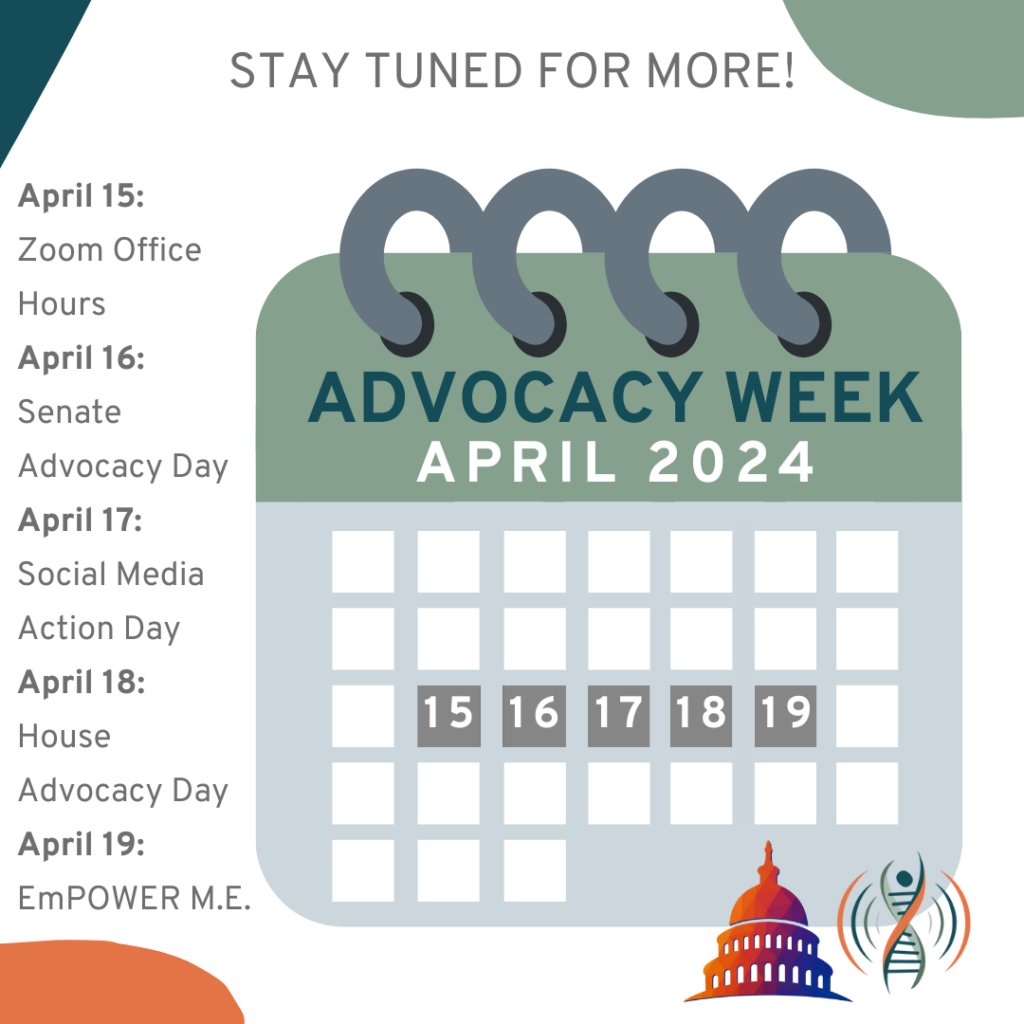
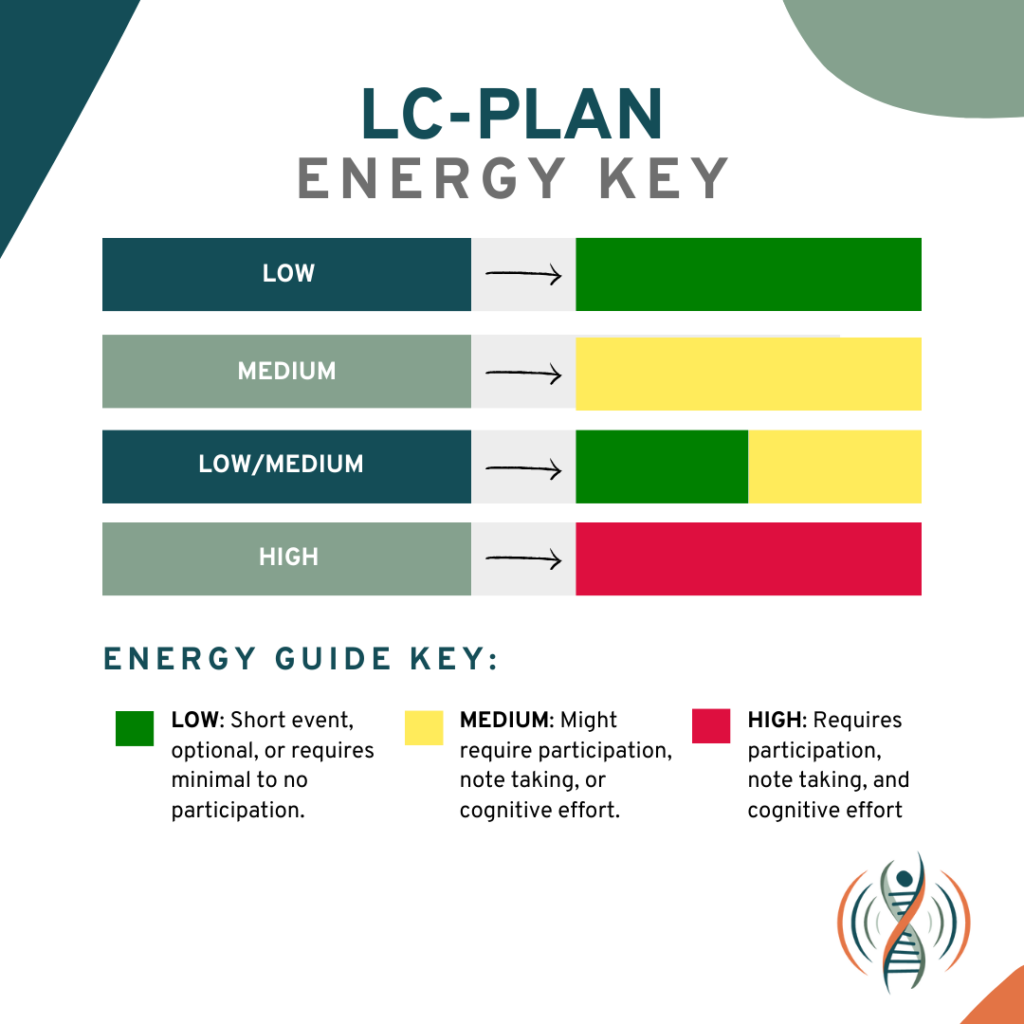
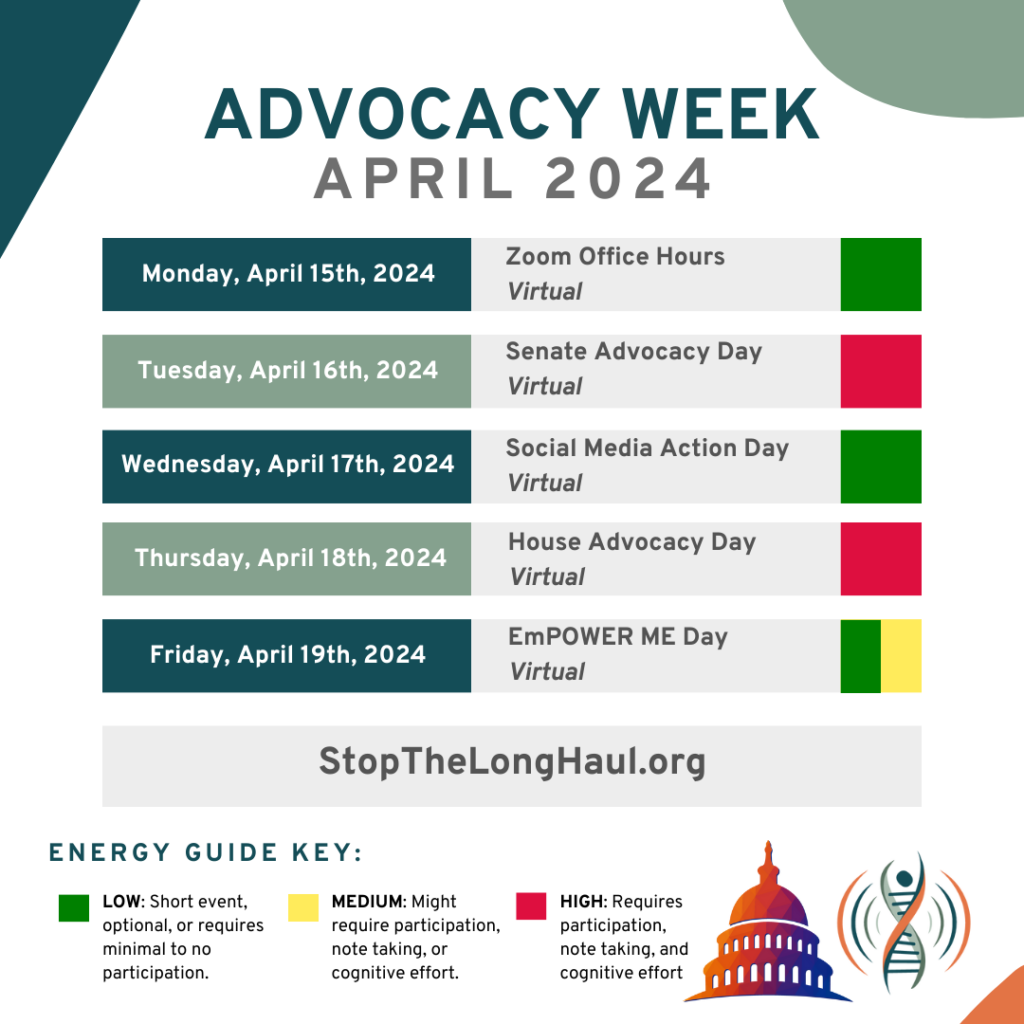
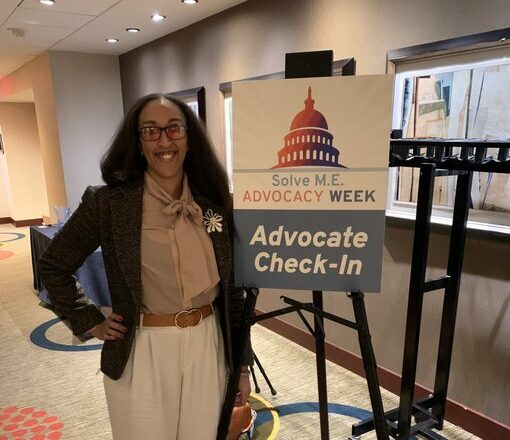
2024 Solve M.E. Advocacy Week: Establishing An IACCI Office at the NIH
View Report
2020 ME/CFS Advocacy Week and Online Lobby Day
View Report
2023 ME/CFS and Long Covid Advocacy Week: In-Person and Online
View Report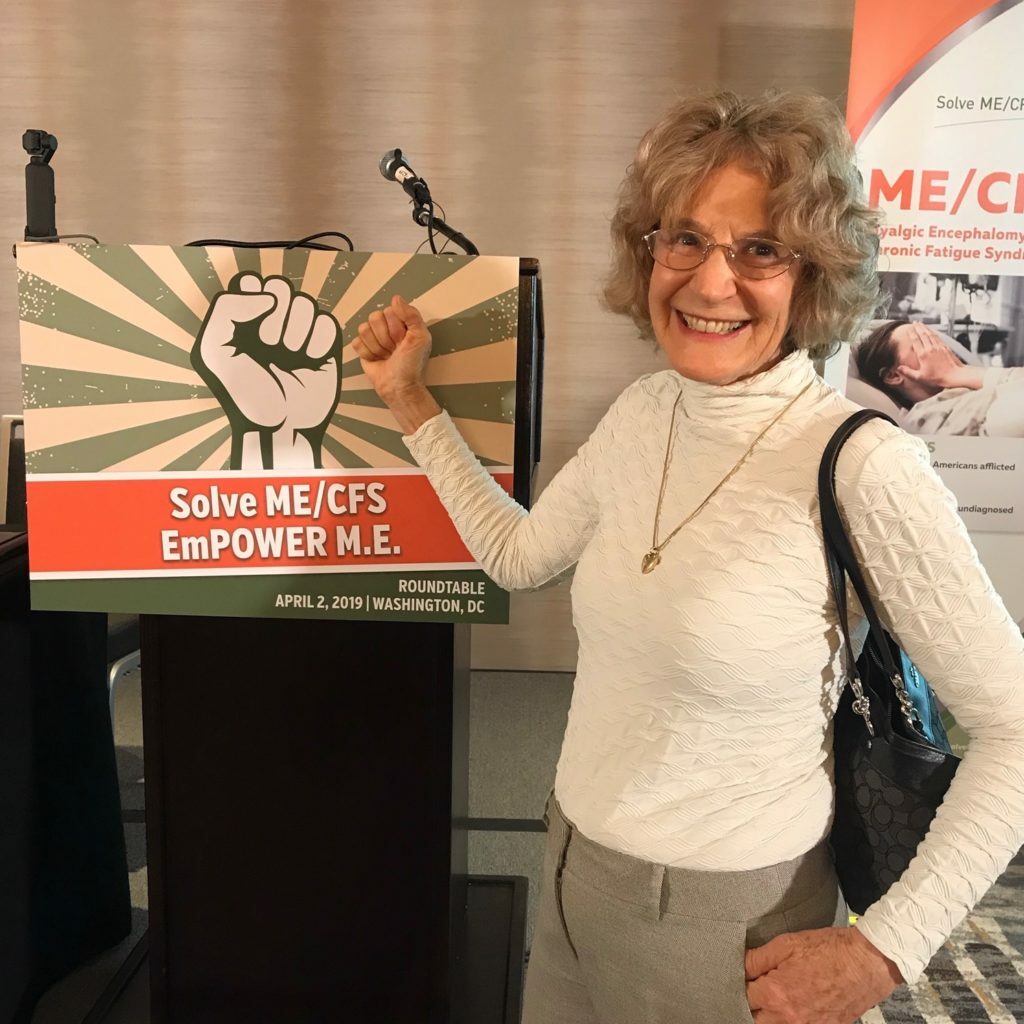
2019 ME/CFS Advocacy Week and Washington DC Lobby Day
View Report
2022 ME/CFS and Long Covid Advocacy Month and Online Lobby Days
View Report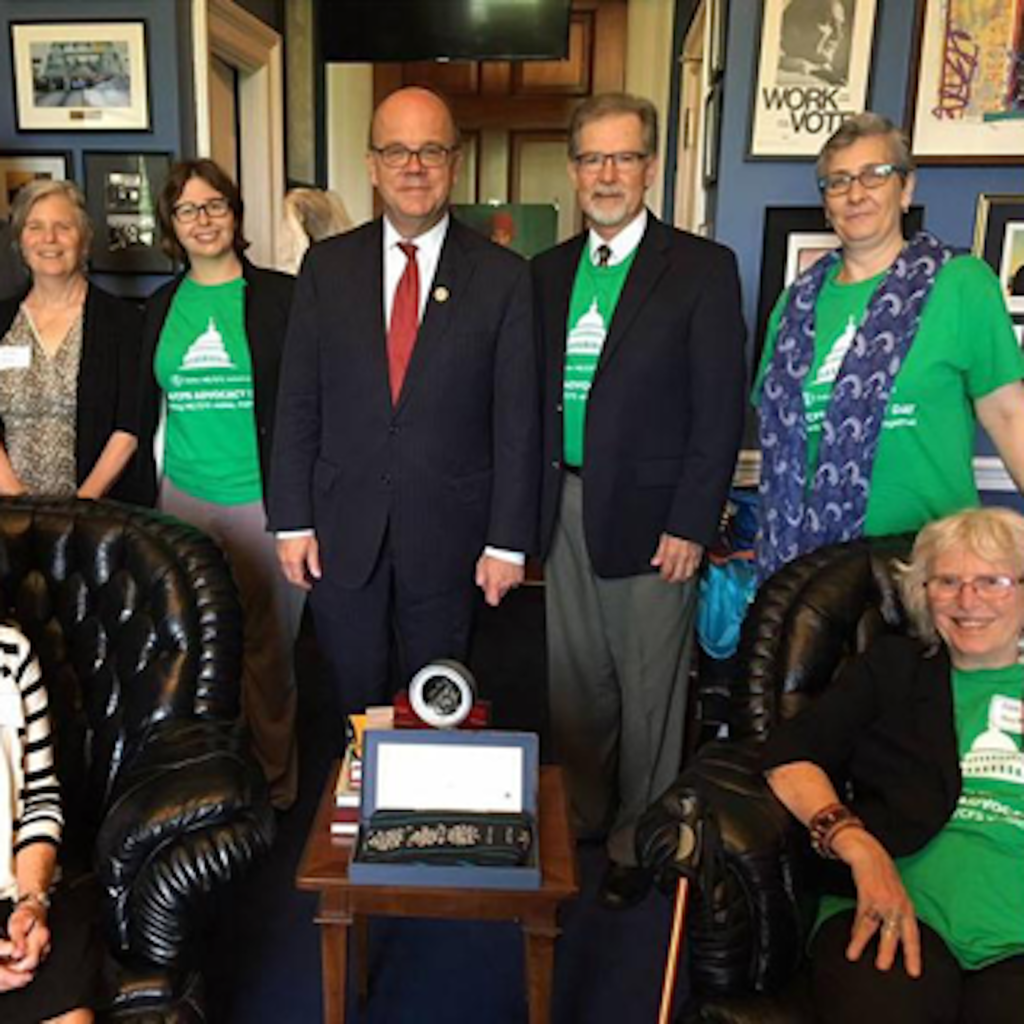
2018 ME/CFS Advocacy Week and Washington DC Lobby Day
View Report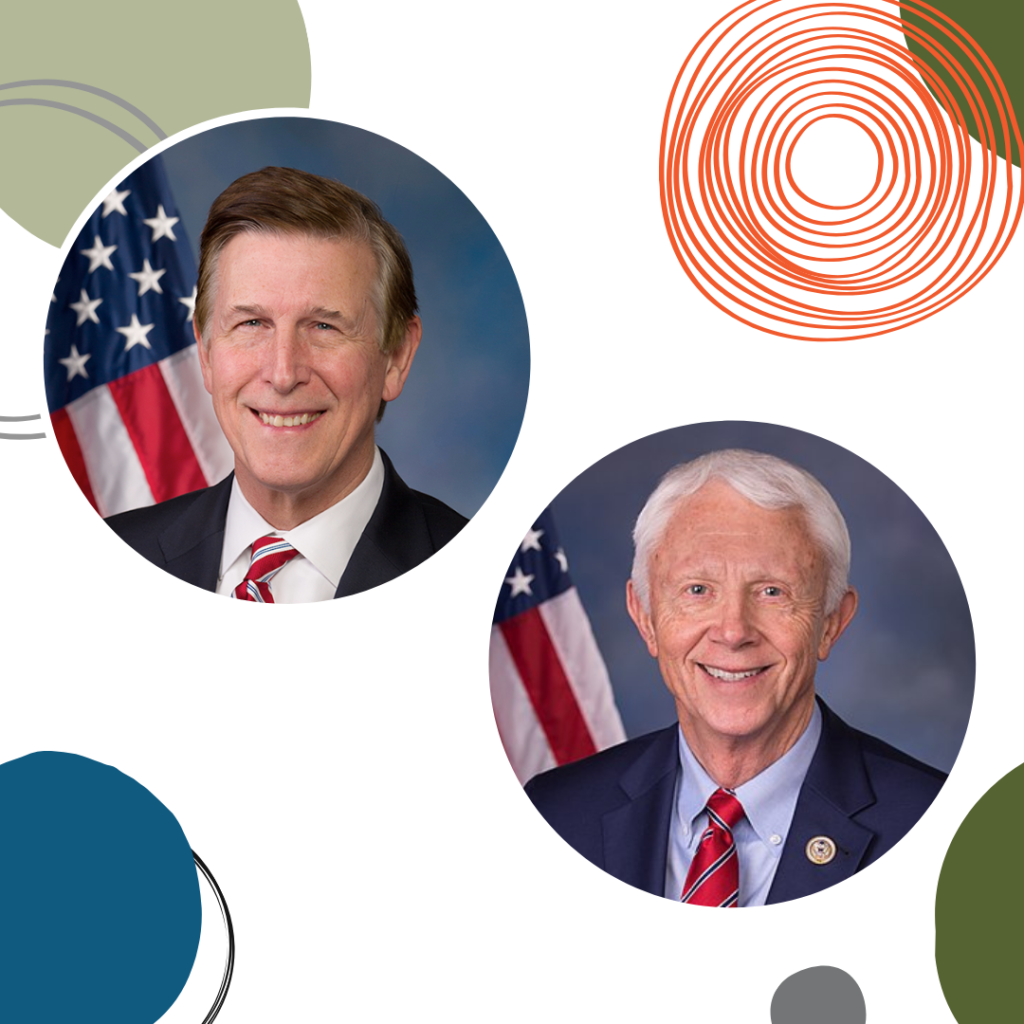
2021 ME/CFS and Long COVID Advocacy Week and Online Lobby Day
View Report